

 Posted on
by
Posted on
by  0 Comments
Apples and fall belong together as far as I’m concerned. As soon as apple season starts, I immediately want to bake all the apple things. A classic Dutch apple pie is obviously hard to beat, but sometimes you want something a little quicker and easier. And that’s where this Dutch apple cake comes in.
It’s fluffy, packed with chunks of apple and has plenty of cinnamon. Add a little whipped cream on the side and I’m happy. Although, to be fair, there are very few cakes that don’t improve with whipped cream.
Table of contents

Tip from Simone
Use an apple that keeps a little bit of texture while baking. Depending on where you live you can use Braeburn, Pink Lady or Honeycrisp. In Europe, Elstar, Jonagold or Pink Lady are all good choices. I personally wouldn’t use Goudreinet (Golden Rennet) here. I love those for Dutch apple pie, but for this cake I prefer a slightly firmer and sweeter apple.
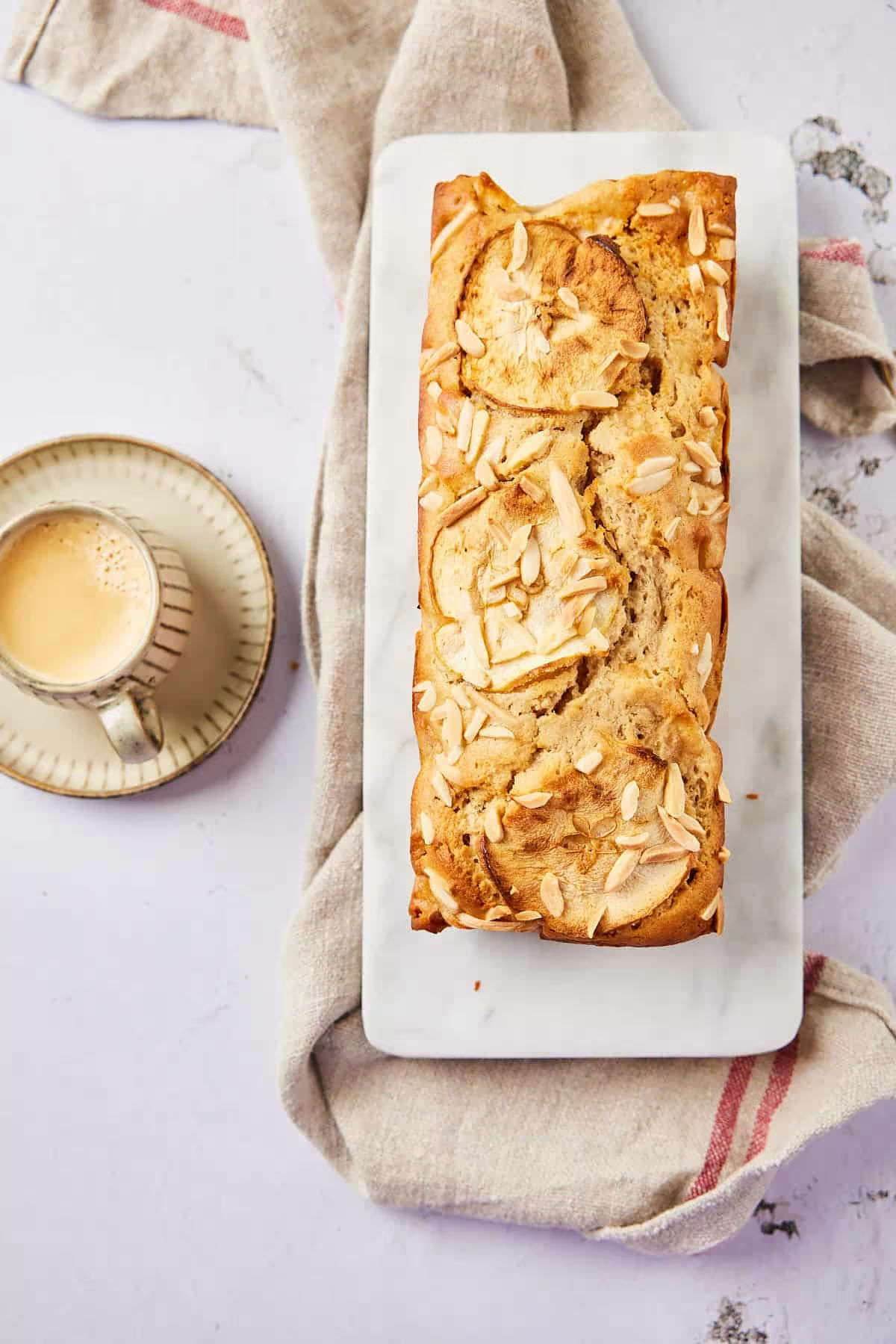
What Makes This a Dutch Apple Cake?
That is the million-dollar question. Is there an official definition of a traditional Dutch apple cake? Probably not.
But it has apples, cinnamon, a generous amount of butter and I’m Dutch. So I’ve decided that qualifies. Works for me!
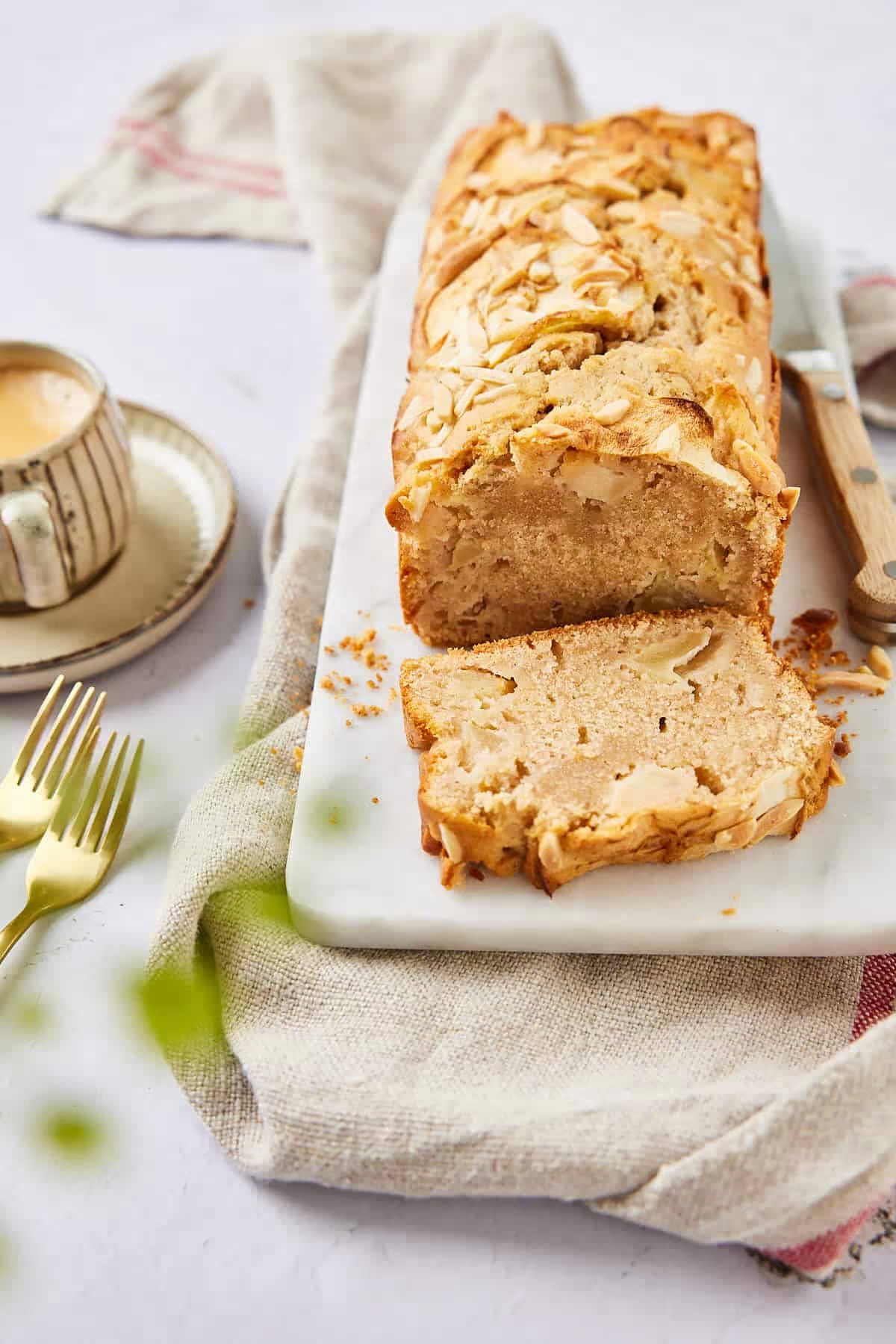
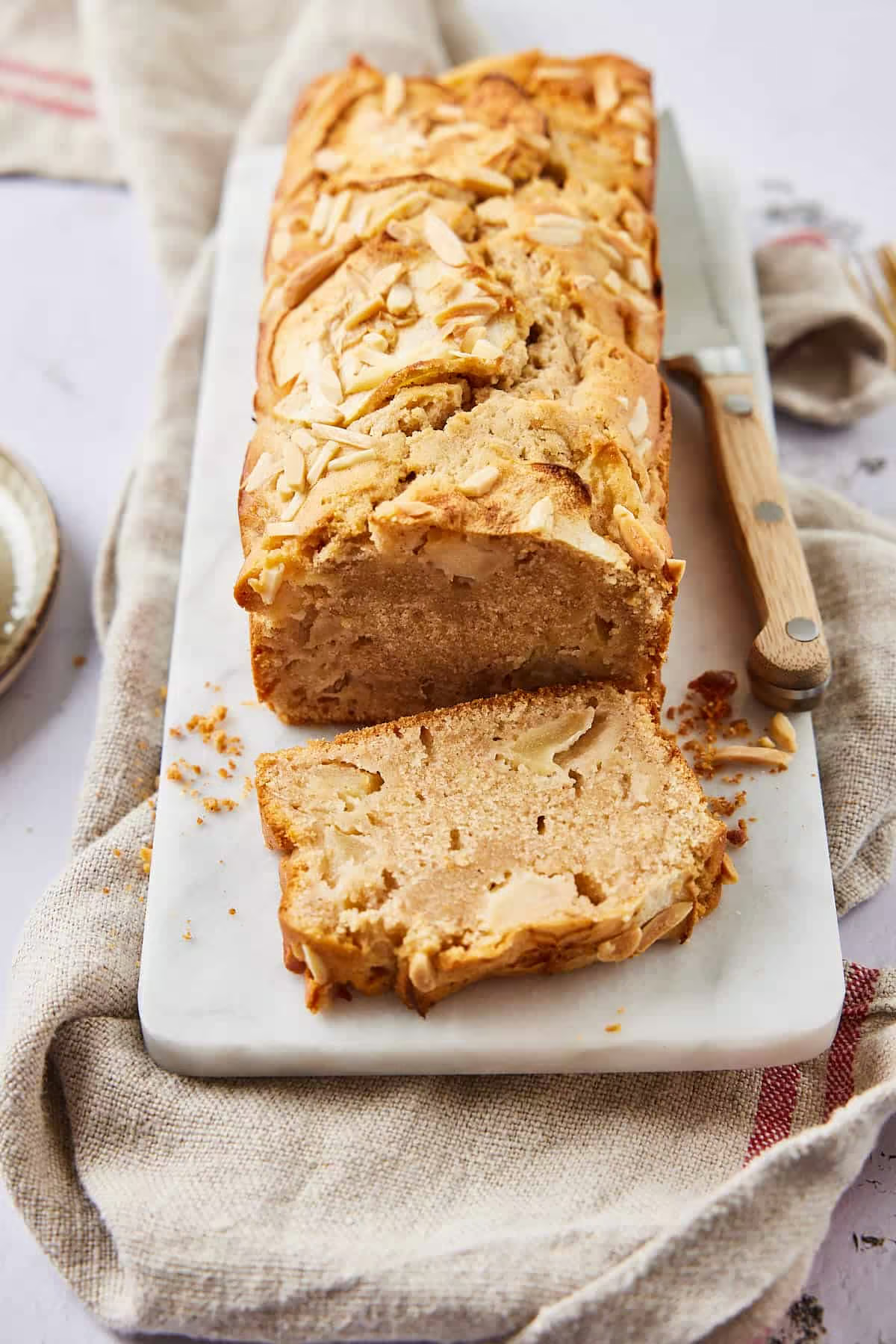
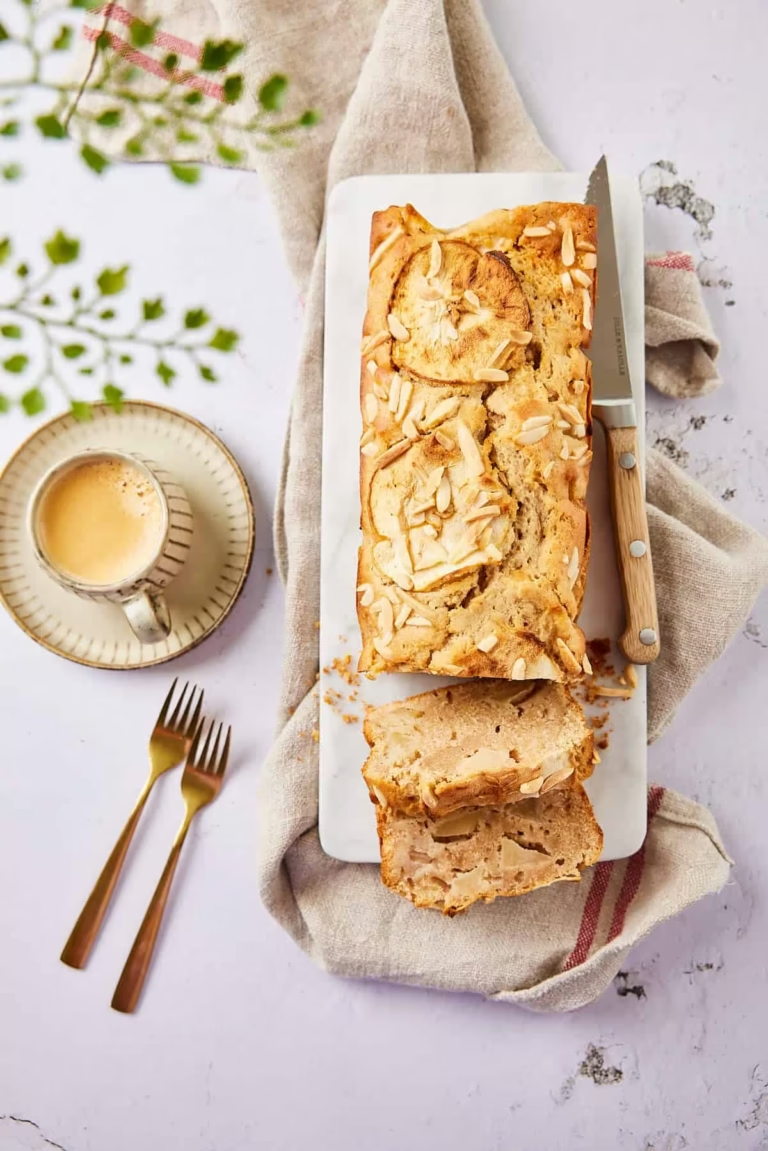
You might notice that the cake in the photos looks quite firm. I actually made the recipe again afterwards and adjusted it slightly to make the cake fluffier. The recipe below is the improved version.
Did I take all the photos again? Nope. I liked these and sometimes you just have to move on with your life.

Recipe Ingredients
For the exact quantities, check the recipe card below.
- Apples – Use a firm apple that holds its shape during baking. Honeycrisp, Pink Lady, Braeburn or Granny Smith are all good choices. I personally like a sweet-tart apple such as Honeycrisp or Pink Lady best for this cake. If you’re in Europe Jonagold or Elstar are great too.
- Self-rising flour – makes the cake light and fluffy. If you only have plain flour, you can replace it with plain flour plus baking powder.
- Eggs – beating the eggs really well with the sugar gives the cake its light texture.
- Butter – use melted butter and let it cool slightly before adding it to the batter.
- Sugar – regular granulated sugar works perfectly. You can replace part or all of it with light brown sugar for a slightly more caramel-like flavour and a moister cake.
- Cinnamon – because apple cake without cinnamon would just be wrong. You can add ginger, nutmeg or mixed spice as well.
- Vanilla – vanilla extract or vanilla bean paste both work.
- Salt – just a pinch brings out the other flavours.
- Powdered sugar – optional, for dusting the cake before serving.
Want to add something extra? Sprinkle some flaked almonds or chopped nuts over the top before baking.
How to make Dutch Apple Cake
1. Prepare the tin
Preheat the oven to 180°C/350°F. Grease a 25 cm/10 inch loaf tin and line it with baking paper.
Peel and core the apples. Cut most of them into cubes and slice the remaining apple thinly for the top (optional)
2. Beat the eggs and sugar
Add the eggs and sugar to a large bowl and beat until very pale and fluffy. The mixture should roughly triple in volume.
A stand mixer makes this ridiculously easy, but a hand mixer works just as well.
3. Add the flour and butter
Sift the self-rising flour over the egg mixture and gently fold it in. You want to keep as much air in the batter as possible.
Do you absolutely have to sift the flour? No. I regularly skip it because I’m lazy and usually get away with it. But sifting does reduce the chance of lumps.
Fold in the melted and slightly cooled butter, followed by the cinnamon, vanilla and salt.
4. Add the apples
Fold the diced apples through the batter. For even more cinnamon flavour, toss the apple pieces with a little extra cinnamon before adding them.
Pour the batter into the prepared tin and smooth the top.
5. Bake the apple loaf cake
Arrange the thin apple slices over the top and press them gently into the batter. Add some flaked almonds if you like.
Bake for approximately 45-50 minutes, or until the cake is golden brown and a skewer inserted into the centre comes out clean.
Leave it in the tin for a few minutes before transferring it to a wire rack to cool completely.
Which Baking Tin to Use?
I use a 25 cm / 10 inch loaf tin for this recipe. You can also bake the cake in a round springform tin, although the baking time may change slightly depending on the size of your tin.
Whatever you use, line it with baking paper. It makes getting a cake out of the tin so much easier and saves a lot of unnecessary swearing.
Variations
Want to change things up? Add chopped walnuts, pecans or flaked almonds to the batter. A handful of raisins would work too.
For an extra autumnal version, replace the cinnamon with a mixture of cinnamon, ginger and nutmeg.
You can also turn it into an apple crumble cake. Make a simple crumble with flour, butter and sugar and scatter it over the batter before the cake goes into the oven. Apple + cake + crumble. Hard to argue with that combination.
How to Store Apple Loaf Cake
Because of all the apple, this cake stays nice and moist for a few days.
At room temperature: Keep the cake well wrapped or in an airtight container for around 2-4 days. While you can technically place it in the fridge, that will mean that the cake might dry out sooner.
In the freezer: This apple cake freezes well. Cut it into slices first and wrap them individually. Freeze for up to 3 months and defrost at room temperature.
Serving
The cake is delicious just as it is, with a little powdered sugar over the top. But I’m never going to say no to softly whipped cream.
A scoop of vanilla ice cream is also very good, especially if you serve the cake slightly warm.
FAQ Dutch Apple Loaf Cake
Elstar, Jonagold and Pink Lady are all good choices because they have plenty of flavor and hold their shape reasonably well during baking. If you’re based in the US you can use HoneyCrisp or Braeburn as well.
This incorporates air into the mixture and gives you a lighter, fluffier cake. So this is one step where being impatient doesn’t really pay off.
Yes. Light brown sugar gives the cake a slightly deeper, caramel-like flavor and makes it a little moister.
The eggs may not have been beaten for long enough, or you may have knocked too much air out of the batter while adding the flour and butter. Fold everything together gently rather than vigorously stirring it.
No. They’re mostly there because they look pretty. You can simply put all the apple into the batter instead.
More Easy Dutch Recipes


Dutch Apple Cake
Ingredients
- 4 eggs
- 200 grams granulated sugar
- 200 grams self rising flour
- 200 grams melted butter
- 1 teaspoon vanilla extract
- 1 teaspoon cinnamon powder
- 3 apples Peeled, cored and diced
- Pinch of salt
- Powdered sugar
Equipment
- cake tin 25 cm /10 inch
Instructions
- Preheat the oven to 180°C. (350˚F) (convection oven) Grease a cake pan and line it with baking paper.
- In a large bowl, break the four eggs with the sugar and beat until they have tripled in volume and become fluffy.
- Sift the self-rising baking flour and add it to your egg mixture. Fold this over, preserving as much air as possible. Add the melted (and slightly cooled) butter and mix until combined.
- Add cinnamon, pinch of salt and vanilla extract.
- Add the diced apple to the batter and gently fold them into the batter so that the apple pieces are evenly distributed. You can roll the apple pieces through some more cinnamon.
- Pour the batter into the prepared cake pan and smooth the top with a spatula.
- Place the apple slices on top of the batter and press lightly. Sprinkle optionally with some almond shavings.
- Bake the apple cake in the preheated oven for about 45-50 minutes, or until a wooden skewer comes out clean when inserted into the center of the cake.
- Remove the cake from the oven and let it cool in the mold for a few minutes. Then carefully remove the cake from the mold and let cool completely on a wire rack.
- Sprinkle the cooled apple cake with powdered sugar
Nutrition Information per portion:
Disclaimer:
The nutritional values above are calculated per portion. The details are based on standard nutritional tables and do not constitute a professional nutritional advice.


