
 Posted on
by
Posted on
by  0 Comments
Cauliflower may just be one of the most versatile vegetables around. While it used to be best known as a boiled side dish served with a cheese sauce (thanks, Mom!), these days there are endless ways to enjoy it. Think cauliflower rice, creamy cauliflower soup, roasted cauliflower steaks, and even cauliflower pizza crust.
But what’s the best way to cook cauliflower? What should you look for when buying one? And which cooking methods work best? In this comprehensive guide, I’ll walk you through everything you need to know about cooking with cauliflower and the different preparations out there. And if you’re looking for inspiration, be sure to check out all of my cauliflower recipes.
Table of contents
Why Cauliflower is Becoming a Popular Choice
Cauliflower is low in calories yet packed with vitamins, minerals, and fiber. It’s particularly rich in:
- Vitamin C
- Vitamin K
- Folate
- Potassium
- Fiber
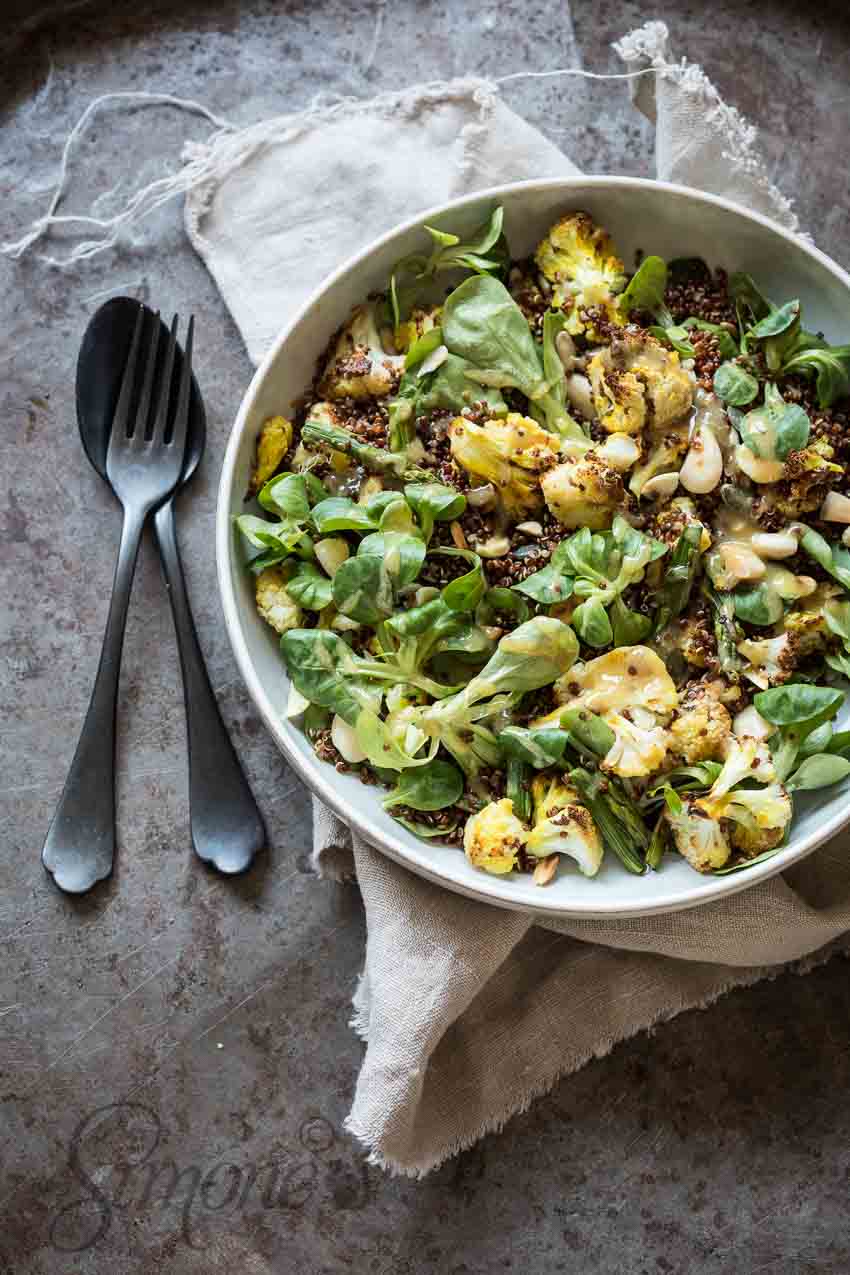
Cauliflower also contains a high percentage of water, making it a light yet filling and nutritious vegetable. Apart from that it is one of the most versatile vegetables out there and is used in many different cuisines around the world. Wether or not you’re eating plant-based, cauliflower is here to stay!


Tip from Simone
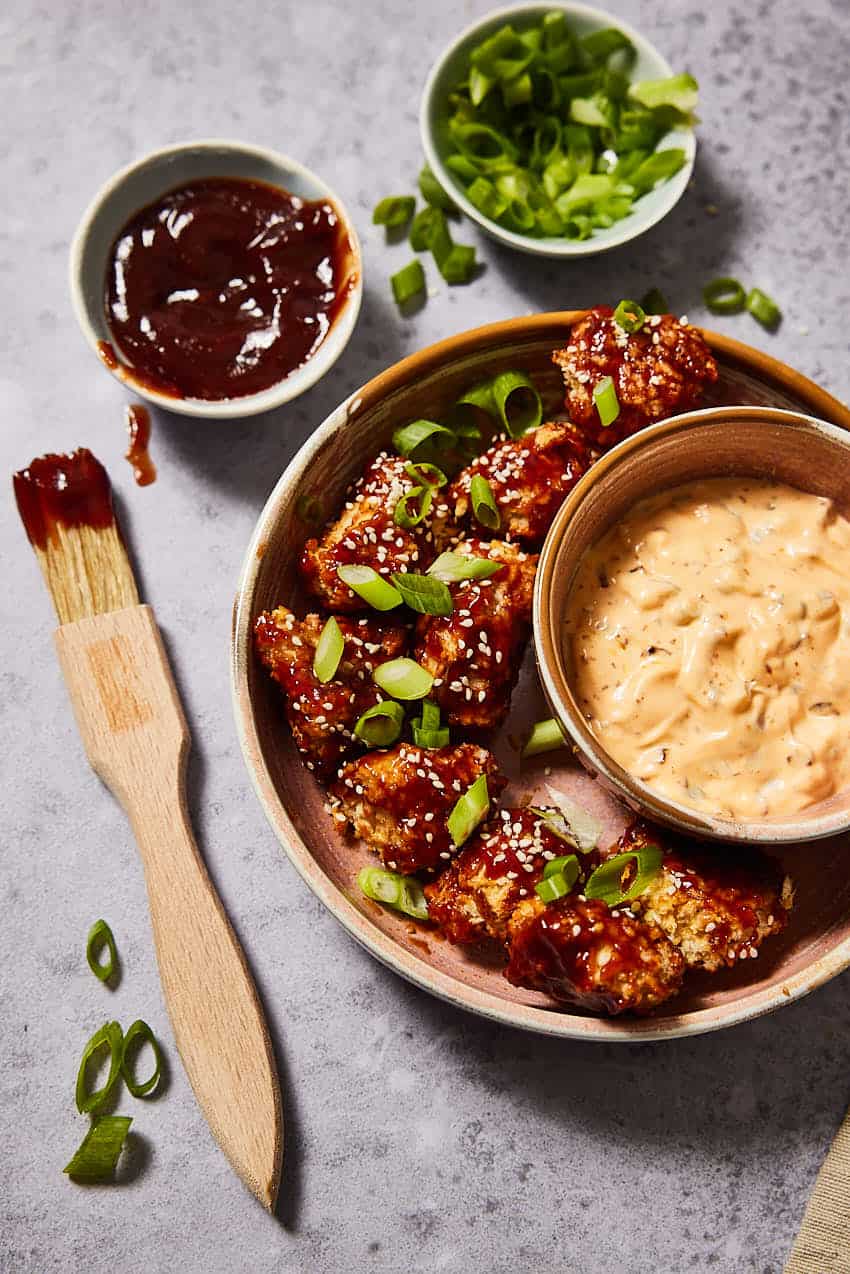
Cauliflower is so much tastier than many people realize. Especially when roasted, it develops a slightly sweet, nutty flavor that is completely different from boiled cauliflower. Try roasting a whole cauliflower or make crispy cauliflower bites in the air fryer. Chances are you’ll be adding cauliflower to your menu a lot more often!
What Is Cauliflower?
Cauliflower belongs to the cruciferous vegetable family, alongside broccoli, Brussels sprouts, kale, and cabbage. The edible part is actually a tightly packed flower head that has not yet fully developed.
The classic white cauliflower is the most common variety, but you’ll also find purple, green, and orange cauliflower in many grocery stores. These colorful varieties taste similar, though they often contain slightly different nutrients.
When Is Cauliflower in Season?
In the Netherlands, cauliflower is grown almost year-round, but the main Dutch season runs from May through November.
Summer is the ideal time to enjoy cauliflower. During these months, it’s often locally grown, extra fresh, firm, and full of flavor.
Thanks to imports, cauliflower is available throughout the year, but when it’s in season locally, you’ll usually get the best quality and the best price.


What Should You Look for When Buying Cauliflower?
A good cauliflower has several key characteristics:
The Head Should Be Firm
Choose a cauliflower with a compact, tightly packed head. Loose florets or sections that are starting to separate are signs that the cauliflower is no longer at its freshest.
Check the Color
A fresh white cauliflower should have a creamy white color without large brown or black spots.
Inspect the Leaves
The green leaves surrounding the cauliflower should look fresh and crisp. Wilted leaves often indicate that the cauliflower has been sitting around for a while.
Weight Matters
A fresh cauliflower should feel heavy for its size, which usually means it still contains plenty of moisture.
How Do You Store Cauliflower?
Store a whole cauliflower in the vegetable drawer of your refrigerator. It will typically stay fresh for 5 to 7 days. If you’ve already cut it into florets, try to use them within 3 to 4 days.
Cauliflower also freezes well. Blanch the florets in boiling water for 2 to 3 minutes, immediately cool them in ice water, then freeze.
How Do You Clean Cauliflower?
Cleaning cauliflower is simple:
- Remove the outer leaves.
- Trim the stem.
- Cut the cauliflower into florets.
- Rinse the florets under cold water.
For recipes such as cauliflower steaks or whole roasted cauliflower, you’ll want to keep the stem intact.


Essential Cooking Techniques for Cauliflower
Boiled Cauliflower
This is the most traditional method (and honestly, the one I use the least!).
Bring a large pot of water to a boil and add salt if desired. Cook cauliflower florets for 6 to 8 minutes, until just tender.
Cooking a whole cauliflower? Allow approximately 12 to 15 minutes.
Steamed Cauliflower
Steaming helps preserve both flavor and nutrients. Place the florets in a steamer basket over boiling water and steam for about 8 to 10 minutes.
Roasted Cauliflower
Roasting gives cauliflower a delicious nutty flavor. It’s my favorite way of preparing cauliflower. Toss florets with olive oil, salt, pepper, and your favorite seasonings. Roast at 400°F (200°C) for 25 to 30 minutes.
Popular seasonings include:
- Paprika
- Cumin
- Curry powder
- Ras el hanout
- Garlic
- Parmesan cheese


Sautéed Cauliflower
Cauliflower is also excellent cooked in a skillet.
Sauté small florets in a little oil or butter for 8 to 10 minutes until golden brown.
Grilled Cauliflower
Grilling adds a wonderful smoky flavor.
Cut thick slices from the cauliflower, brush with oil, and grill on a barbecue or grill pan. A cauliflower steak with chimichurri is a great way to enjoy this vegetable.
Fried Cauliflower
For a crispy result, try frying cauliflower.
Popular options include:
- Tempura cauliflower
- Buffalo cauliflower wings
- Cauliflower fritters
Whole Roasted Cauliflower
A whole roasted cauliflower makes a stunning centerpiece and is surprisingly easy to prepare.
Rub the cauliflower with herb butter, olive oil, or a yogurt-based marinade and roast for 45 to 60 minutes.
Delicious Recipes to Try with Cauliflower
Cauliflower Rice
Cauliflower rice is a popular alternative to regular rice.
Pulse raw cauliflower in a food processor until it resembles rice grains, then quickly sauté in a skillet.
Cauliflower Mash
A delicious low-carb substitute for mashed potatoes.
Cook cauliflower until tender and blend with butter, heavy cream, or crème fraîche.
Cauliflower Soup
Cauliflower makes an excellent base for a creamy cauliflower soup. Try combining it with:
- Curry powder
- Cheese
- Mustard
- Garlic
- Leeks
Cauliflower recipes


Cauliflower rice pudding recipe with cinnamon (paleo, keto)

Cauliflower Steaks
Cut thick slices from the center of the cauliflower and roast or grill them.
They’re delicious served with chimichurri, tahini, or a flavorful yogurt sauce.
Cauliflower Curry
Cauliflower works beautifully in Indian and Asian-inspired dishes.
Think of a fragrant curry with coconut milk, chickpeas, and spinach.
Cauliflower Pizza Crust
Cauliflower pizza crust remains popular for anyone looking to reduce carbohydrates.
Just be aware that many store-bought versions contain surprisingly little cauliflower and quite a bit of flour. Homemade is usually the better option.
Common Mistakes When Cooking with Cauliflower
1. Overcooking It
This is probably the most common cauliflower mistake. Cook it too long and you’ll end up with mushy florets and that strong sulfur smell many people associate with cauliflower.
Tip: Start checking for doneness after 5–6 minutes when boiling. Cauliflower should be tender but still have a slight bite.
2. Not Drying It Before Roasting
If your cauliflower is wet when it goes into the oven, it will steam instead of roast.
Tip: After washing, pat the florets dry with a clean kitchen towel before tossing them with oil and seasonings.
3. Crowding the Baking Sheet
When cauliflower pieces are packed too closely together, they release moisture and become soft instead of caramelized.
Tip: Spread the florets in a single layer with a little space between them. Use two baking sheets if necessary.
4. Under-Seasoning
Cauliflower has a mild flavor and benefits from plenty of seasoning.
Tip: Don’t be shy with spices like garlic powder, paprika, cumin, curry powder, or Parmesan cheese. This delicious dish with cauliflower bites is a great example of what seasoning can do!


5. Throwing Away the Leaves and Stem
Many people only use the florets, but the entire vegetable is edible.
Tip: Roast the leaves until crispy or add the stem to soups, curries, vegetable stock, or homemade cauliflower rice. When you buy a package of cauliflower rice in the grocery store? That is usually made from the stem and leaves!
6. Using Too Little Oil When Roasting
A small amount of oil helps cauliflower brown and develop that delicious nutty flavor.
Tip: Toss the florets thoroughly so they’re lightly coated before roasting.
7. Cooking Cauliflower Rice Too Long
Cauliflower rice cooks much faster than regular rice.
Tip: Sauté it for just 3–5 minutes. Overcooking can quickly turn it watery and mushy.
8. Cutting Uneven Florets
Large florets take much longer to cook than small ones, leading to uneven results.
Tip: Try to cut the florets into similar-sized pieces so they cook evenly.
9. Skipping High Heat When Roasting
Low oven temperatures can leave cauliflower pale and soft.
Tip: Roast at 400°F–425°F (200°C–220°C) for the best caramelization and flavor.
10. Assuming Boiling Is the Only Option
Many people only know cauliflower as a boiled vegetable, but that’s often the least exciting preparation.
Tip: Try roasting, grilling, air frying, or turning it into cauliflower steaks. These methods bring out much more flavor and texture.
FAQ Cooking with Cauliflower
Yes. Cauliflower is perfectly safe and delicious eaten raw, whether in salads or served with a dip as a crunchy snack.
Avoid overcooking it. Start checking for doneness after about 6 minutes of cooking.
Absolutely. The leaves are edible and can be roasted, added to soups, or used in curries.
Yes. For the best results, blanch it briefly before freezing.
Personally, I’m not a big fan of freezing cauliflower rice. I find that it tends to become softer and a bit mushy after thawing, which is also why I rarely use frozen cauliflower rice from the grocery store.
The stem is completely edible.
Use it in soups, curries, vegetable stock, or grate it into cauliflower rice. In fact, many store-bought cauliflower rice products are made primarily from the stem rather than the florets.


